September 7, 2026
Tokyo: Learning to Read the Room
Tokyo taught me to pay attention.
I arrived in Japan knowing luxury hospitality, but not yet knowing Japan. There is a difference.
I had worked across Asia and the Middle East for years, but Tokyo came with its own rhythm, its own codes, and a wonderful precision that takes time to understand. How people communicate. How decisions are made. The importance of trust. The importance of relationships. And, perhaps most importantly, knowing when to speak and when to simply read the room.
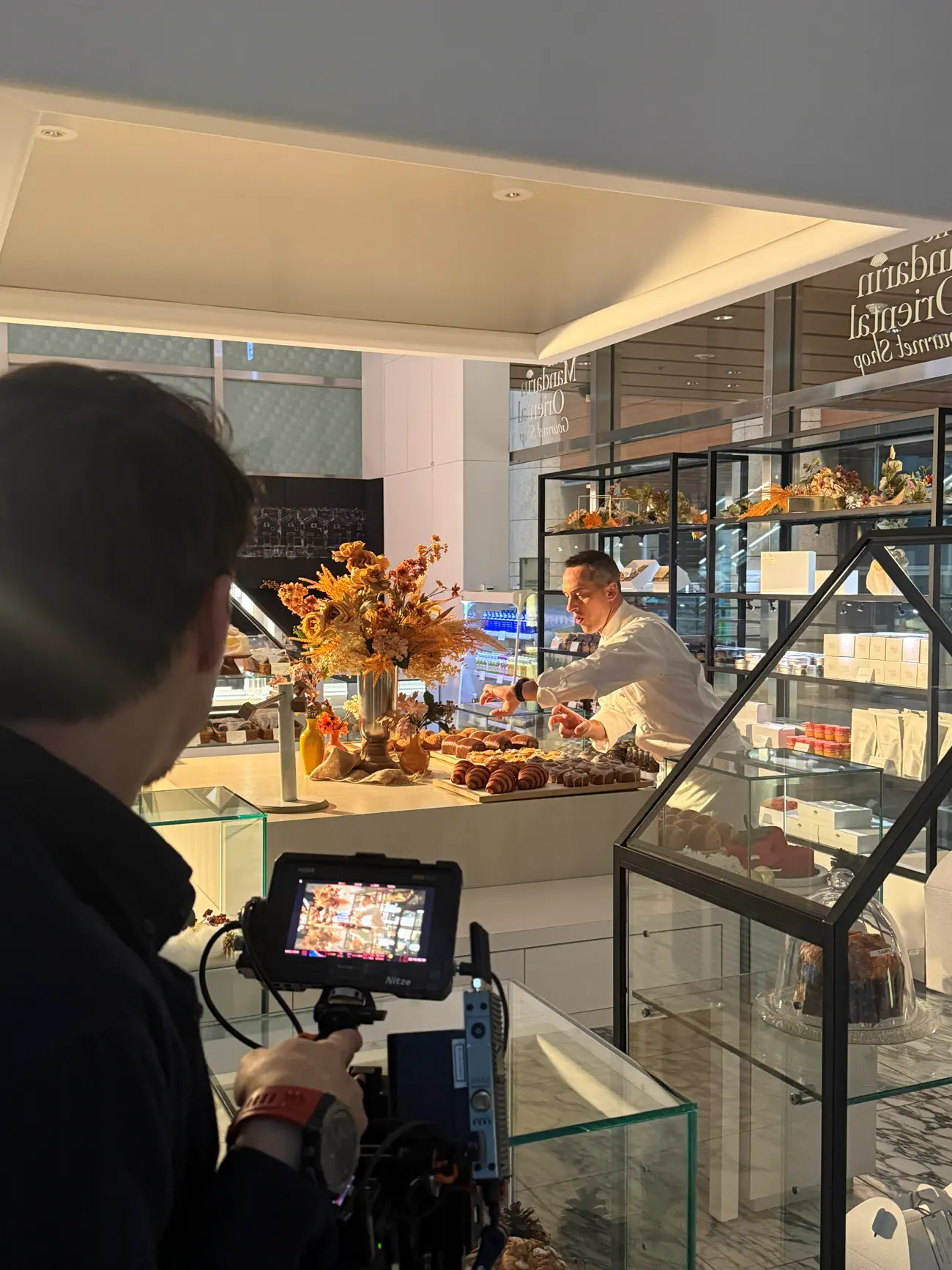
At Mandarin Oriental, Tokyo, I probably attended more revenue meetings in a week than I had anywhere else in my career. Surprisingly, I loved them. They were disciplined, commercial and incredibly effective. Marketing wasn't sitting somewhere on the side making beautiful campaigns. We were looking at pace, markets, demand, booking behaviour and asking the question that matters: what do we do about it?
Because in Tokyo, things can move quickly.
A conflict thousands of kilometres away in the Middle East can suddenly affect travel sentiment. Political relations between two countries can change visitor patterns almost overnight. A market you considered reliable can soften, while another begins showing unexpected potential.
This is where digital becomes fascinating. You can read those movements almost in real time, then shift investment, change messaging, test another geography and find demand somewhere you weren't looking before.
But Japan also reminded me not to become too obsessed with digital.
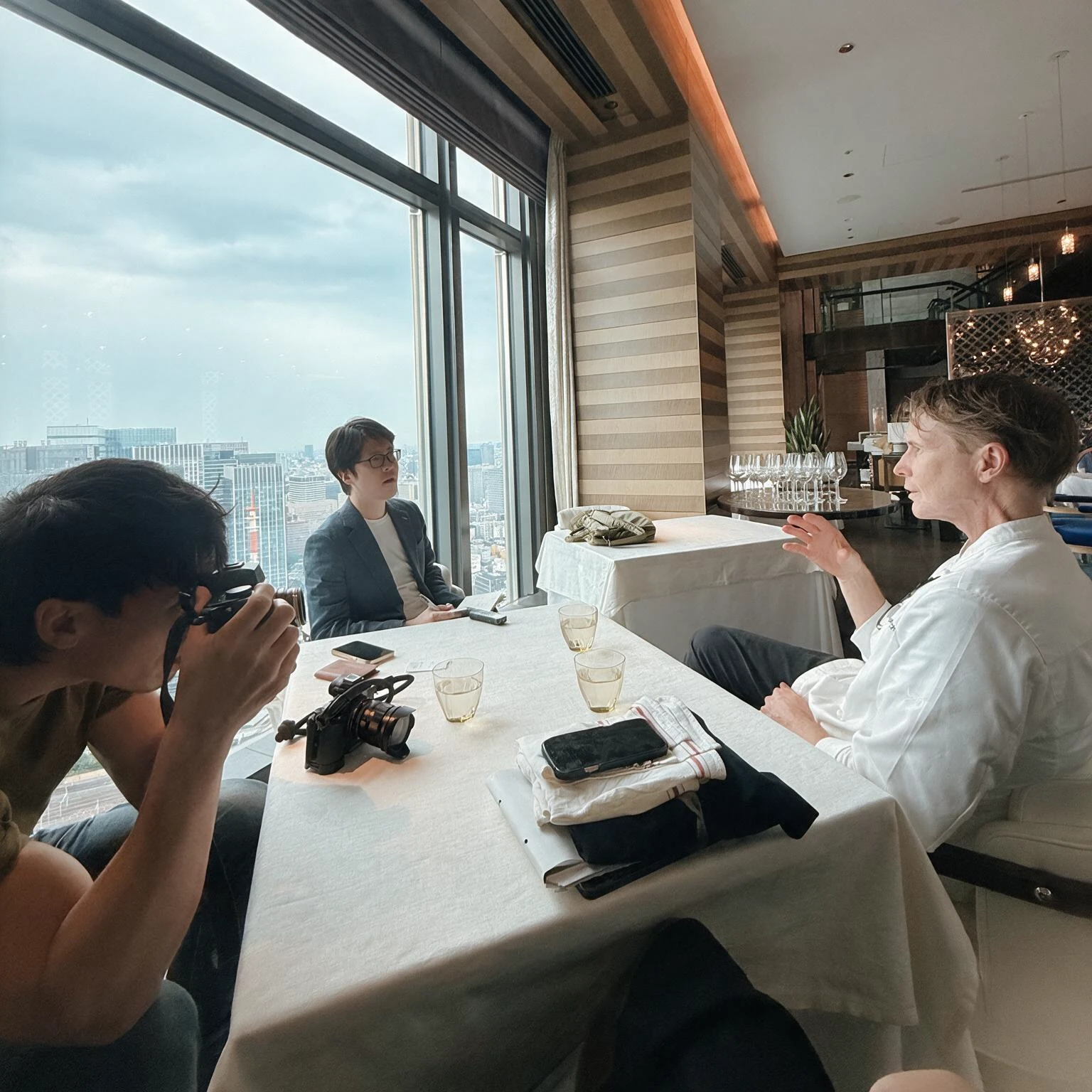
Print still matters here. Television still matters. Editors matter. Personal relationships certainly matter. In an era where everyone talks about algorithms, there is something wonderfully reassuring about a market that still understands the value of an introduction, a conversation and a beautifully told story on paper.
It also changed the way I thought about markets.
A guest flying thirteen hours to Tokyo cannot be spoken to in the same way as someone arriving from Seoul for the weekend. Long-haul and short-haul travellers have different motivations, booking windows and expectations. The campaign, the message, even the moment you choose to speak to them should be different.
Understanding those nuances is where marketing stops being simply communication and becomes commercial strategy.
And then there was the lesson in trust.
Barely a month after arriving, I was entrusted with leading Mandarin Oriental, Tokyo's 20th Anniversary Gala. I had no established network in Japan, no little black book of suppliers, and no previous experience producing an event in Tokyo.
A perfectly sensible reason not to give it to me.
They did anyway.
It became one of those moments in a career that quietly changes things. The evening was magnificent and glamourous, but what stayed with me was what happened afterwards. Delivering it earned something far more valuable than an introduction: the confidence of colleagues who had taken a chance on someone completely new to their market.
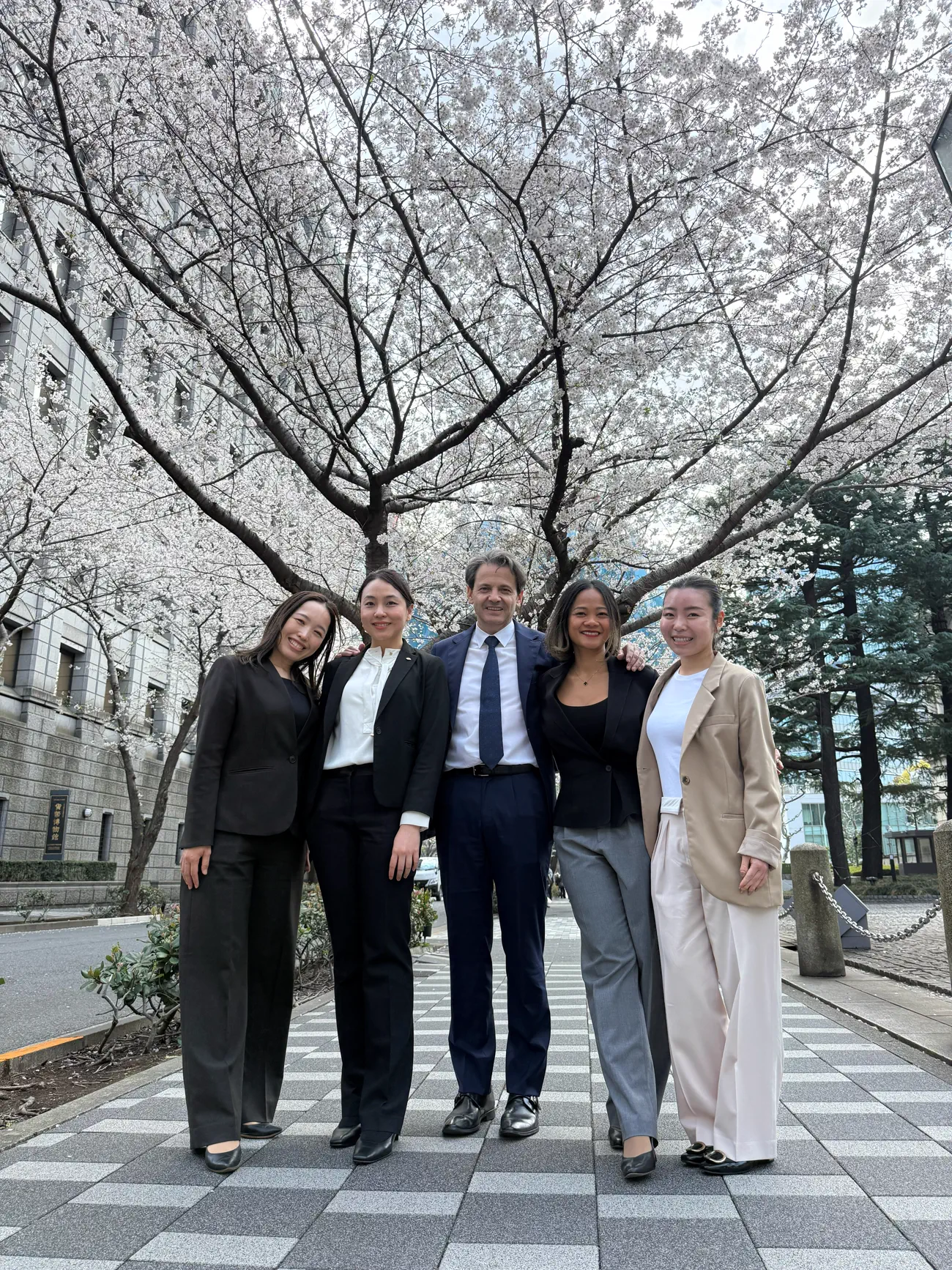
That experience reinforced something I have always believed. Having a leader who gives you room, trusts your judgement and allows you to lead is a privilege. But equally important are your peers. The people sitting beside you in revenue meetings, operations, sales, restaurants, finance and communications are often the people who turn an ambitious idea into something real.
And somewhere between all of that, there was Tokyo itself.
I loved the work ethic, the precision and the extraordinary attention to detail. But when the laptop closed, I loved the city for completely different reasons.
The after-work dinners that somehow became another education in Japanese culture. Weekends disappearing into neighbourhoods with nowhere particularly important to be. And, admittedly, occasionally following TikTok to whichever restaurant had gone viral that week. Those were not always my best decisions.
Some of the places with the longest queues and the most impressive social feeds left me strangely underwhelmed. My most memorable meal was almost the opposite.
A tiny neighbourhood yakitori restaurant near my apartment in Asakusa. Nothing particularly fashionable about it. No elaborate concept. Just a seat at the counter, simple yakitori being grilled in front of me, and time.
While waiting, conversations started with the other diners around the counter. Strangers became temporary companions for the evening. We talked, we ate, we ordered another drinks and skewer. The food was incredibly simple and incredibly good.
There was no campaign behind the moment. No viral reel required. Just good food, a sense of place and genuine human connection.
For someone who spends her professional life thinking about how we make people notice places, I found that rather wonderful.
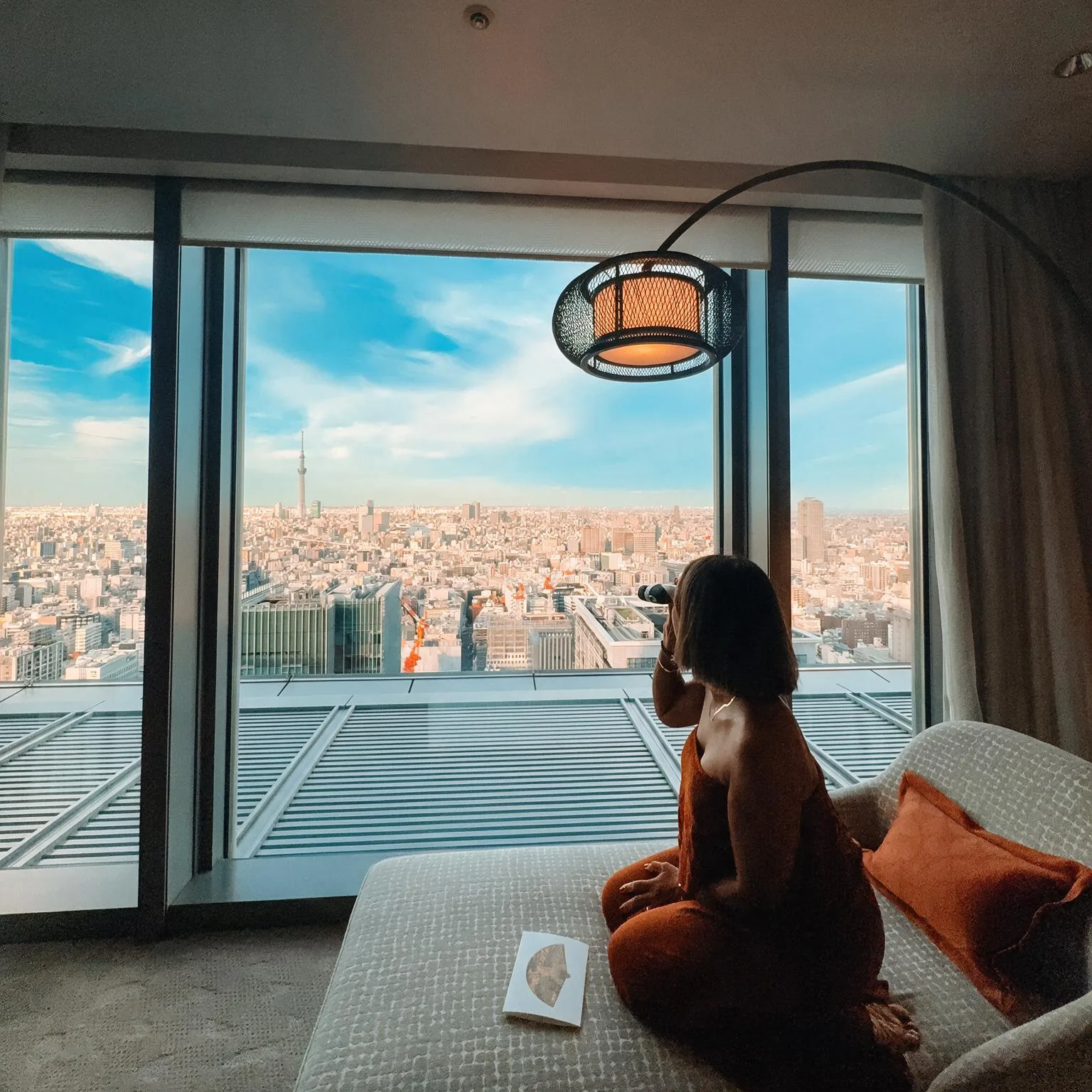
And then there was the stillness of Tokyo at night: remarkable for a city of its size. When the crowds disappear, the streets become quiet and everything suddenly feels almost cinematic.
Tokyo is full of these contradictions.
Traditional and hyper-digital. Intense and incredibly calm. Meticulous at work, wonderfully convivial after it. A city that can have millions of people moving through it and somehow still give you moments of complete stillness.
I came to Tokyo thinking I was bringing my experience to a new market.
Tokyo, rather inconveniently, decided there was still plenty for me to learn.
And I am very glad I did.